How to Clean a Wheelbarrow and Keep Rust Away
To clean a wheelbarrow, empty the tub, rinse off dirt, scrub residue with mild soap, and dry it fully. Choose gentle tools for the tub material, then store the barrow where rain and wet debris won't sit against it.
On this page (8 sections)
- How do you clean a wheelbarrow after yard work?
- How do you choose cleaning and storage supplies?
- How do you clean a steel wheelbarrow?
- How do you clean a plastic wheelbarrow?
- How do you remove rust from a wheelbarrow?
- How can you keep rust away between uses?
- What mistakes should you avoid when cleaning a wheelbarrow?
- What is the best routine for how to clean a wheelbarrow?
To clean a wheelbarrow, empty the tub, rinse away dirt, scrub stuck-on material, and dry every surface before storage. A few minutes after a muddy or wet job helps limit residue and gives you a chance to spot damage before it spreads.
The right routine depends on the tub material and what you hauled. Steel needs prompt drying around scratches and seams, while plastic needs gentle tools that won't gouge it.
How do you clean a wheelbarrow after yard work?
Remove debris, rinse the tub, scrub with mild soap, rinse again, and dry it completely. Work outdoors or where runoff won't stain or damage nearby surfaces.
- Remove soil, leaves, mulch, and other debris by hand.
- Rinse away loose dirt with a hose or a bucket of water.
- Use a soft or medium nylon brush and mild soap on stuck residue.
- Rinse the tub and brush away loosened material.
- Wipe the tub dry, including corners and areas around bolts.
- Let it air-dry fully before putting it away.
If dried mud won't lift, wet it and give it time to soften. A plastic scraper can help with stubborn residue; use light pressure to avoid scratching paint or marking a plastic tub.
Choose tools based on the surface. A nylon brush and cloth are useful basics for either material, while a sharp metal scraper or abrasive pad can leave scratches that trap dirt and moisture.
How do you choose cleaning and storage supplies?
Match the brush and cleaner to the tub, and use a cover when rain reaches your storage spot. You don't need a special cleaner for ordinary soil; mild soap and water are enough for routine work.
For a standard steel tub, look for a non-scratch brush and a cloth that can reach corners. If you store the barrow outside, a cover can help keep rain out of the tub.
Check the tub size and shape, since covers fit the opening rather than enclosing the handles and wheels.
The AngLink Wheelbarrow Cover suits owners of standard 4–6 cu ft single- or dual-wheel carts who need rain protection during outdoor storage. Skip it if your barrow is stored indoors or your tub doesn't match that size range; the cover is not a full weather enclosure.
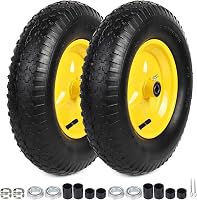
For routine hauling and easy cleanup, consider how the tub is built. The True Temper has a smooth steel tray with a sloped, curved front, while the Best Choice Products cart has a plastic bin and powder-coated steel frame.
Choose based on the hauling setup you want, not on the cleaning routine alone.
How do you clean a steel wheelbarrow?
Rinse steel promptly and dry it well, especially at scratches, chipped paint, and bolt areas. Water left against exposed metal can encourage rust.
Use mild soap and a nylon brush for dirt, then wipe the steel dry with a cloth. Avoid wire brushes and abrasive pads on painted areas because they can remove or damage the finish.
The True Temper 6 Cu Ft Steel Wheelbarrow has a smooth steel tray, steel handles, and a flat-free tire. It suits buyers who want a steel tub for hauling stone, gravel, dirt, mulch, or firewood, and who can dry and store the tray after wet jobs.
Skip it if you prefer a plastic tub or want to avoid keeping an eye on the steel finish.
If cleaning exposes bare metal, follow the wheelbarrow's care guidance for suitable rust treatment or protective coating. Keep coatings away from grips and tires, and let them dry fully before using the barrow.
How do you clean a plastic wheelbarrow?
Wash plastic with mild soap, a non-scratch brush, and water, then dry the frame and hardware too. Avoid blades and pointed tools that could cut or gouge the tub.
The Best Choice Products Dual-Wheel Wheelbarrow pairs a plastic bin with a powder-coated steel frame. Its 5 cu ft capacity and two inflatable 14 in wheels suit homeowners who want a cart for soil, bricks, mulch, and gravel; skip it if you specifically want a steel tub or flat-free tires.
Rinse dirt from the bin without directing a hard stream into the axle or other moving parts. Wipe those areas with a damp cloth instead, then dry them to limit trapped moisture.
Don't assume concentrated cleaners or solvents are safe for plastic or its frame coating. Check the wheelbarrow's care instructions before using anything stronger than mild soap.
How do you remove rust from a wheelbarrow?
For light surface rust, clean and dry the spot, then use a treatment suited to the tub's finish. Rust that has eaten through the steel or weakened the tray may need repair or replacement.
Start by brushing away loose dirt and drying the area. If the wheelbarrow's care guidance allows rust treatment, follow the treatment instructions and try it on a small area first.
Vinegar may loosen light rust, but leaving it on too long can affect nearby paint or metal. Rinse or wipe as directed and dry the steel at once.
Avoid using a wire wheel or grinder unless you're prepared to repair the finish afterward. Abrasive tools can strip paint and expose more metal to moisture.
If a plastic tub is cracked rather than stained, cleaning won't repair it; see our guide to repairing a cracked plastic wheelbarrow tub.
How can you keep rust away between uses?
Empty the tub after each job, remove damp residue, and store the wheelbarrow under cover when possible. Drying the tray matters most after wet soil, rain, or materials that cling to the surface.
If outdoor storage is your only option, avoid leaving the tub where water can pool. A fitted cover can block rain from entering the tray, but it won't fully enclose handles or wheels.
The AngLink cover uses waterproof 600D fabric and is shaped to sit over standard tub openings. Check that your cart is in its 4–6 cu ft fit range, and secure the cover as needed in a windy spot.
Remove the cover if moisture collects underneath, then dry the tub before replacing it. For material tradeoffs, read steel vs. poly wheelbarrows; to compare other hauling setups, see types of wheelbarrows and yard carts.
What mistakes should you avoid when cleaning a wheelbarrow?
Don't leave the tub wet, scrub painted steel with harsh abrasives, or scrape plastic with sharp metal tools. Those shortcuts can damage the finish or leave a surface that's harder to clean.
Avoid spraying directly into bearings and moving parts. Wipe them with a damp cloth and dry them; if the wheel feels stiff or makes noise, cleaning may not solve the issue.
Check the tire and axle for trapped grass or string after yard work. If the tire is flat, follow our guide to fixing a flat wheelbarrow tire at home.
What is the best routine for how to clean a wheelbarrow?
For most jobs, empty, rinse, scrub, rinse again, and dry the tub before storage. Use a gentle brush, and give steel extra attention wherever paint is scratched or water can collect.
Pick the True Temper if you want a steel tray for heavier materials and can keep it dry after use. Choose the Best Choice Products cart if its plastic bin and two-wheel layout fit your yard work.
Add the AngLink cover when an outdoor storage spot leaves the tub exposed to rain and the cart falls within its stated size range.
For wheel upkeep after washing, see how to replace a wheelbarrow wheel. If your main concern is choosing a tub material, steel vs. poly wheelbarrows explains the tradeoffs.
Frequently asked questions
How often should you clean a wheelbarrow?
Clean it after jobs that leave wet soil, fertilizer, concrete, or plant matter in the tub. For dry loads, remove debris and check for moisture before storage.
A quick rinse and full dry after messy work help prevent stuck-on residue and limit the time water sits against metal.
Can you use vinegar to remove rust from a wheelbarrow?
Vinegar may loosen light surface rust, but it can also affect nearby paint and metal if left too long. Test a small area, follow the product or material guidance, rinse thoroughly, and dry the steel at once.
Deep rust may need repair or replacement.
Should you oil a wheelbarrow after cleaning?
A light protective coating made for the tub's material can help shield bare steel from moisture, but keep it off grips, tires, and areas where it could make handling slippery. Follow the coating label and remove excess.
Don't apply oil to a plastic tub unless its maker says it is suitable.
How do you keep a wheelbarrow from rusting?
Empty the tub after each job, rinse off wet or corrosive residue, and dry it before storage. Keep the barrow under cover and avoid leaving rainwater in the tray.
Inspect scratches and chips on painted steel, since exposed metal can rust when moisture reaches it.